Machine & Robotic Guarding

Advanced Solutions for Machine & Robotic Safety

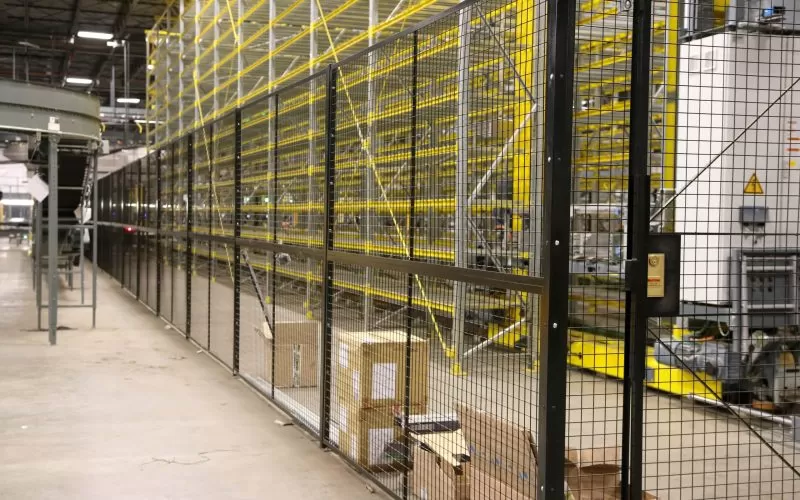
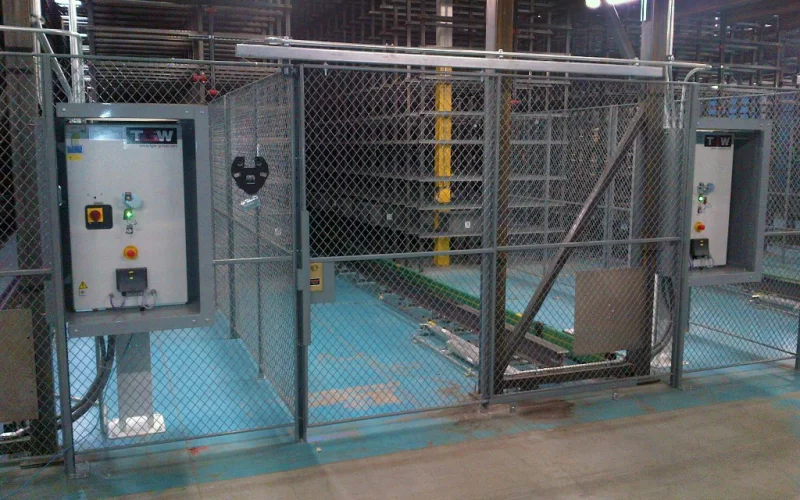
We understand the critical importance of safety in industrial environments, especially when it comes to protecting both machinery and personnel. That’s why our innovative machine and robotic guarding products are designed to provide reliable and robust safeguarding for a wide range of applications. Whether you need advanced protection for robots or guarding solutions for your machines, our high-quality offerings deliver optimal safety, efficiency, and peace of mind.

Compare Our Brands

RageWire - Color Logo BeastWire Ford Logan
Standard Panel Height 5’ 8” | 6’ 8” | 7’ 8” 1’ - 5’ (1’ increments) 7’ | 8’ | 10’
Panel Width 59” 1’ - 10’ (1’ increments) 1’ - 5’ (1’ increments)
Standard Panel Mesh 1¼” x 4” Grid, 8 Ga. Welded Wire Mesh 2” x 2” Grid, 10 Ga. Welded Wire Mesh 1½” Diamond, 10 Ga. Woven Wire Mesh
Other Panels Available --- 2” x 2” Grid, 6 Ga. Welded Wire Mesh Expanded Metal | Sheet Metal Infills ---
Frame Unframed 1¼" x 1¼" x ⅛” Hot Rolled Angle Frame 1" x ½", 12 Ga. Roll Formed (Horizontal) 1¼” x ⅝”, 14 Ga. Roll Formed (Vertical)
Standard Post 2” x 2”, 14 Ga. Tube 2” x 2”, 14 Ga. Tube 1¼” x 1¼”, 16 Ga. Tube
Standard Post Height 6’ 2” | 7’ 2” | 8’ 2” 7’ 2” | 8’ 2” | 10’ 2” | 11’ 2” | 12’ 2” 7’ | 8’ | 9’ | 10’ | 12’
Base Plate 4” x 7” x ¼” 2” x 7” x ¼” 4” x 7” | 1¼” x 2”
Sweep Space 4” 2” 3.7”
Fastening Method Carriage Bolts (5/16”) Carriage Bolt (5/16”) Hex Head Bolts (¼”)
Standard Powder Coating Finish Yellow Posts | Black Panels Black | Gray Gray
Cost $$ $$$ $
Adaptability in Field ★★★★★ ★★★★☆ ★★★☆☆
Accessibility for Maintenance ★★★★★ ★★★☆☆ ★★★☆☆
Durability ★★★★☆ ★★★★★ ★★★★★
Lead Time Click here for our latest lead times.

The difference between hard guarding and soft guarding

Hard Guarding Soft Guarding
Definition
Physical barriers such as welded wire mesh, steel panels, or enclosures that isolate people from machines.
Virtual or electronic safety measures like light curtains, laser scanners, and safety mats that detect intrusion and stop the robot.
Primary Function
Prevents physical access to hazardous areas.
Detects entry into a defined safety zone and triggers a stop signal.
Common Materials / Technology
Steel mesh, polycarbonate panels, doors with interlocks.
Safety-rated sensors, scanners, and control systems.
Protection Level
High — physical barrier ensures no contact.
Moderate — relies on sensor reliability and control response.
Ideal Use Case
High-risk zones with moving robots, pinch points, or heavy machinery.
Collaborative or low-risk environments where access is frequent.
Compliance
Easily meets OSHA and ANSI/RIA guarding standards.
Requires rigorous validation and maintenance to meet standards.
Maintenance
Low — minimal upkeep once installed.
Higher — sensors and control logic require regular testing and calibration.
Flexibility
Fixed — harder to reconfigure when layouts change.
Highly flexible — easy to adjust safety zones as needs change.
Downtime Risk
Minimal if designed correctly; mechanical issues rare.
Potential for false trips or downtime from sensor faults.
Cost (Initial / Lifecycle)
Moderate initial cost, low ongoing cost.
Lower initial cost, higher ongoing cost due to maintenance.
Best For
Industrial robots, automated cells, palletizing, and heavy-duty systems.
Collaborative robots (cobots), mobile robotics, and open work areas.

Need a quote?

Need more information? Ready to get started?
Contact us today to see how we can help your project be a success!

Scroll to Top